Do you really need to scale your business?
Rethinking success through the eyes of a fisherman.
By Kyle Eertmoed
Everyone talks about scaling. In business, scale has become the universal measure of success: bigger numbers, more locations, faster growth. But not every business is meant to scale, and that does not make it less valuable.
Last week, I met Michael Tavani, the founder of Switchyards (more on his brand in a future email). Over the course of our conversation, he shared a parable someone once told him. It has been rattling around in my head ever since. It goes like this...
—
In a coastal village, a fisherman docks his small boat with a bucket of fish. A businessman on vacation walks up and asks, "Why did you stop fishing?"
The fisherman replies, "I've caught enough for today, and I'm heading home to my family."
The businessman says, "But if you stay out longer, you could catch more fish. Then, you could buy a bigger boat, hire a crew, and build a company."
"Then what?"
"Then, you could sell it and become rich."
“And then what?”
"Then, you could retire, sleep late, fish a little, learn to play guitar, and spend time with your friends and family."
The fisherman asks, “Isn’t that what I’m already doing?”
—
That story brings me back to a question a mentor once asked me: Do you want a growth business or a lifestyle business? It cuts to the heart of intention. Growth and lifestyle businesses are built on different priorities, and both can be valid.
A growth business thrives on systems, speed, and repeatability. Decisions are made with expansion in mind. Branding in this context often prioritizes consistency, clarity, and the ability to scale across markets.
A lifestyle business thrives on craft, quality, and staying small by design. Decisions are made to optimize life, not just profit. Branding here often reflects depth, authenticity, and connection to place.
The problem is that most of the business world, at least in America, has been trained to see growth as the only answer. Our culture glorifies scale at all costs, and success gets measured in KPIs, clicks, and engagements, rather than meaning.
But what if success were measured by proximity to intention? What if the truest measure of a brand was how closely it reflected the founder’s values, vision, and goals? That is the philosophy I bring into my work: subtract what is unnecessary and make space for what matters most, whether that's scaling or "lifestyling."
I have seen many lifestyle businesses thrive. They grow by leaning into identity and craft, and they become special precisely because they don’t try to be everything to everyone. Like the fisherman, they already know what enough looks like.
Growth or lifestyle. Both can be profitable paths in different ways. The real question is which one is right for you, and whether you might already be there.
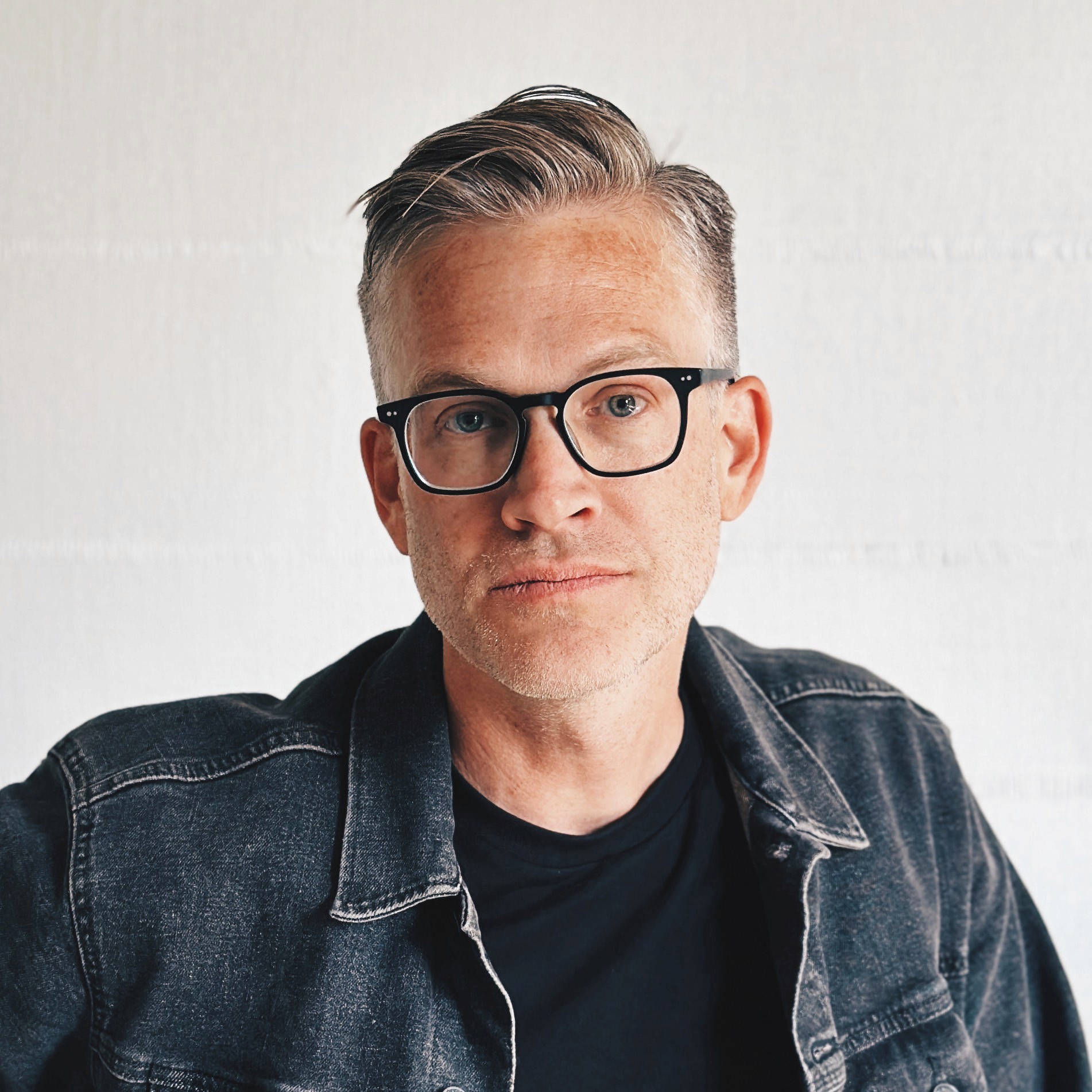
Kyle Eertmoed is the founder of Eertmoed Studio. Subscribe to get The Latest articles sent right to your inbox.